
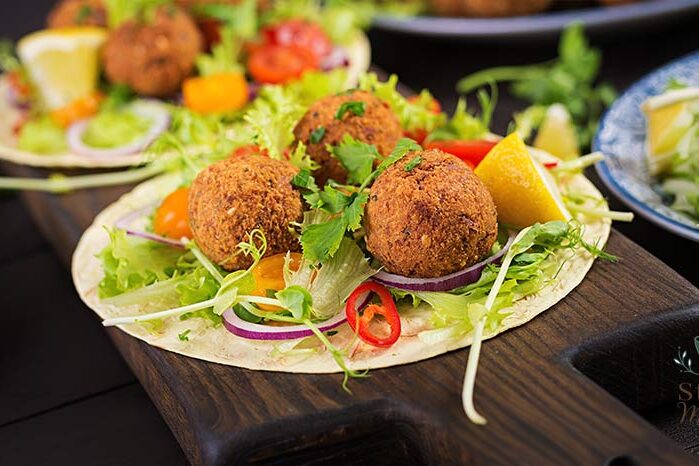
Falafel Bites
Falafel is believed to have originated in Egypt, later spreading across the Middle East. It became a beloved street food due to its affordability, portability, and satisfying flavor.


Falafel is believed to have originated in Egypt, later spreading across the Middle East. It became a beloved street food due to its affordability, portability, and satisfying flavor.
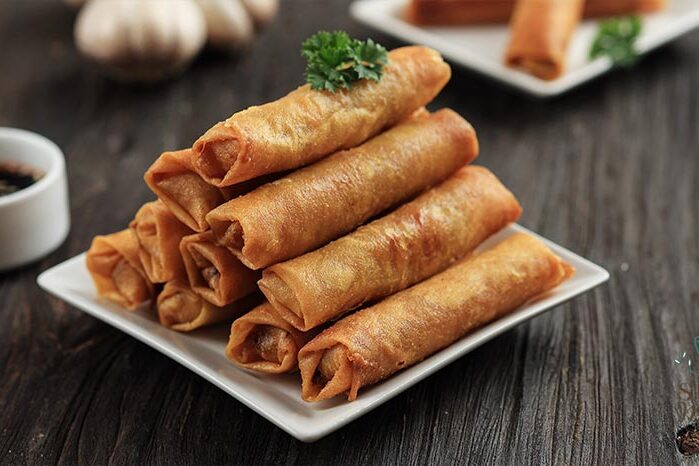
Spring rolls originated in China during the Eastern Jin Dynasty as a seasonal dish celebrating the arrival of spring. They later became a staple across Asia, evolving into countless regional variations.
Emma threaded her tender, herb‑speckled meatballs onto skewers with peppers and onions, then brushed them with a smoky‑sweet glaze inspired by the Indonesian flavors that have long influenced Dutch cuisine.
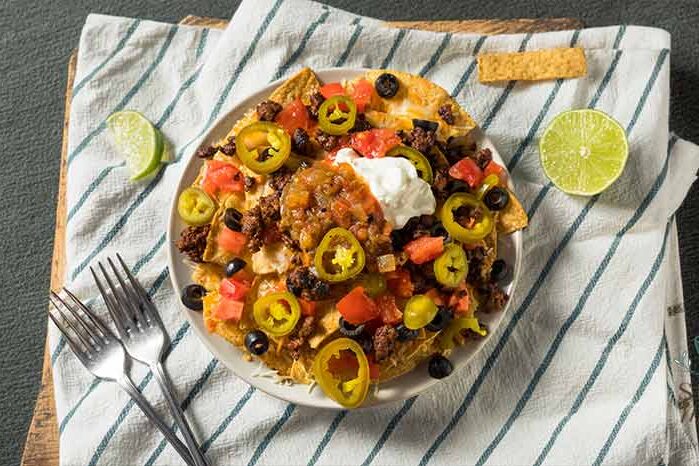
Loaded nachos began as a lively border‑town creation, born from the quick ingenuity of Ignacio “Nacho” Anaya in Piedras Negras, Mexico, back in 1943.
In the heart of Charleston, tucked between a weather‑beaten oyster shack and a neon‑lit dive bar, stood a tiny café called The Ember Spoon. It wasn’t famous for its cocktails or its live music or even its late‑night crowd.
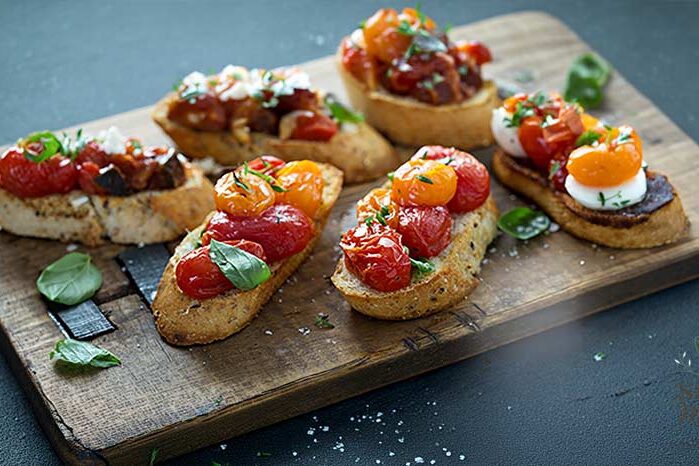
In a tiny hilltop village in Tuscany, where the sun painted the rooftops gold every morning, lived an elderly baker named Rosa. Her bakery was small, barely big enough for two people to stand inside, but it was famous for one thing: her bruschetta, a simple dish that somehow tasted like joy itself.
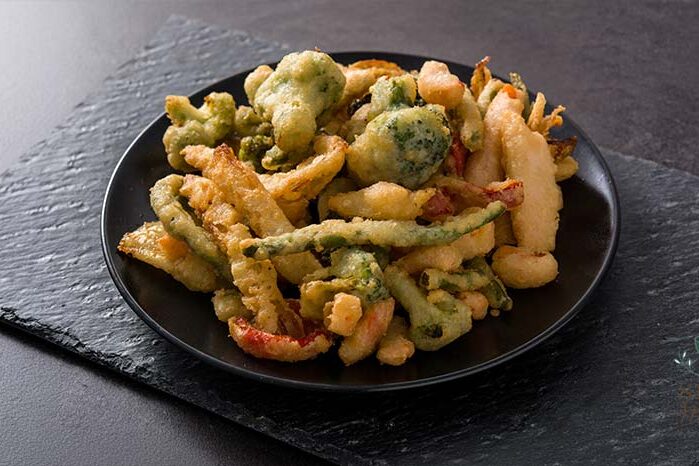
Tempura medley is a vibrant celebration of Japanese frying tradition, where crisp, airy batter transforms simple ingredients into something almost ethereal. Rooted in techniques introduced by Portuguese traders in the 16th century, tempura evolved into a uniquely Japanese art — light, delicate, and focused on letting the natural flavors shine.
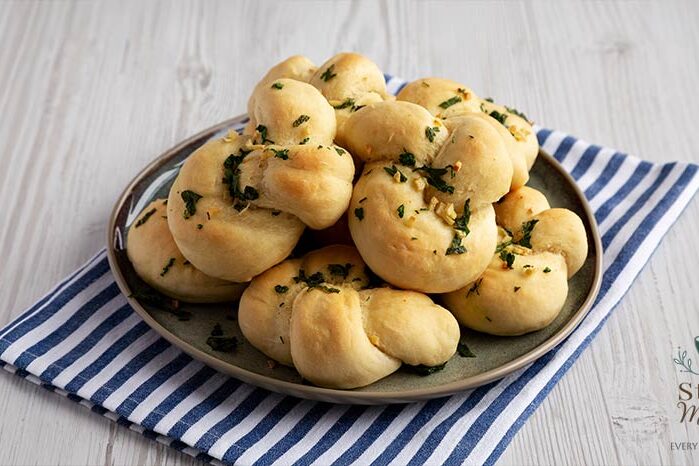
Garlic parmesan knots trace their roots back to classic Italian bread‑making, where simple dough was twisted into small, decorative shapes to serve alongside family meals. Over time, Italian‑American pizzerias adopted the tradition, brushing the warm knots with butter, garlic, and herbs to create an irresistible side dish that paired perfectly with red sauce.
Artisan herb‑baked Brie cups bring a touch of rustic elegance to any gathering, inspired by the French tradition of baking soft cheeses until they reach peak creaminess.
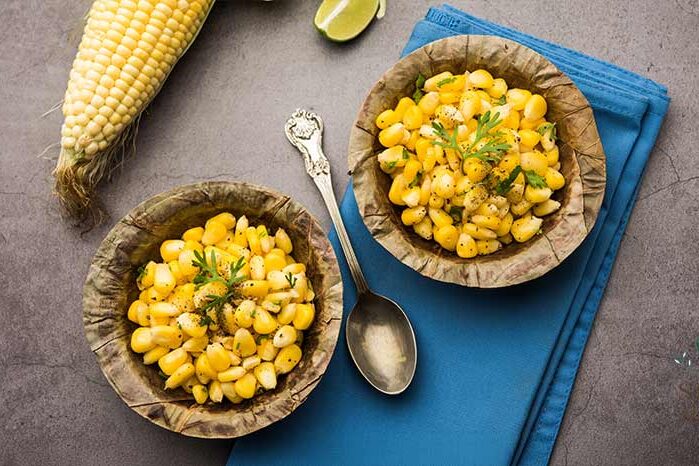
Elote is a beloved Mexican street food dating back centuries. The cup version became popular in busy cities, allowing vendors to serve it quickly and cleanly.
In the coastal town of Charleston, where potlucks were practically a competitive sport, Aunt Lila was undefeated. Her dishes were legendary — the kind of recipes people whispered about like local folklore.
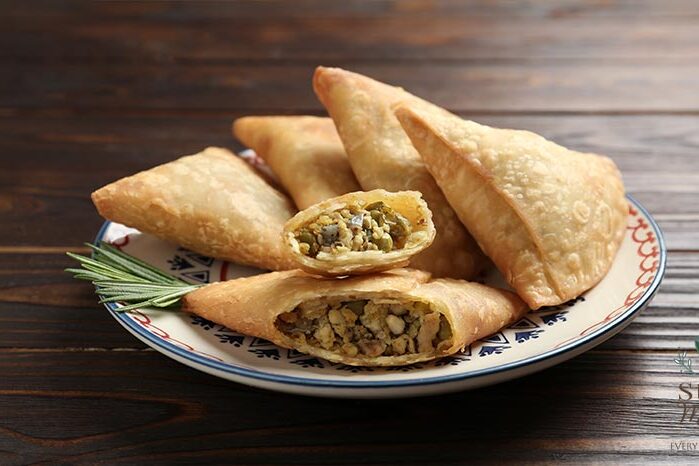
Samosas originated in Persia and traveled to India via trade routes. Indian cooks adapted them with spiced vegetables, creating one of the world’s most iconic snacks.
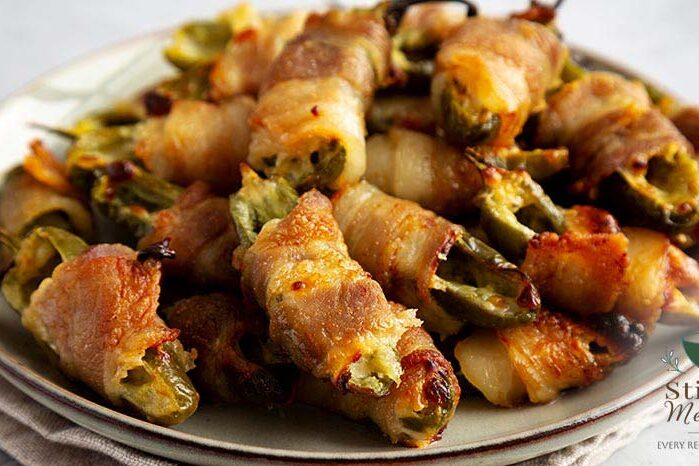
In the little mountain town of San Esteban, everyone knew Tía Rosa for her jalapeño poppers. They weren’t fancy, but they were famous — stuffed with cream cheese, pepper jack, and a mischievous crumble of blue cheese that gave them a bold, tangy kick.
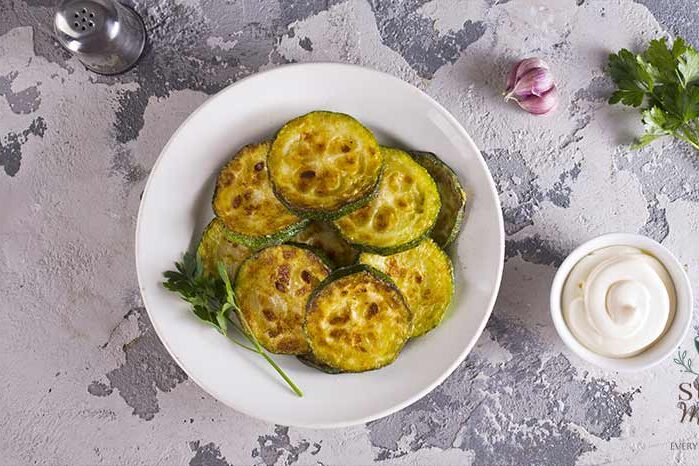
Parmesan zucchini rounds are a modern twist on Old World simplicity, rooted in the Italian tradition of turning fresh garden vegetables into something irresistibly comforting.
Honey‑glazed mini sausage bites have the charm of a party classic with roots in simple, home‑style cooking. They grew from the tradition of slow‑cooked sausages served at gatherings, where hosts would coat them in sweet glazes to keep guests coming back for more.
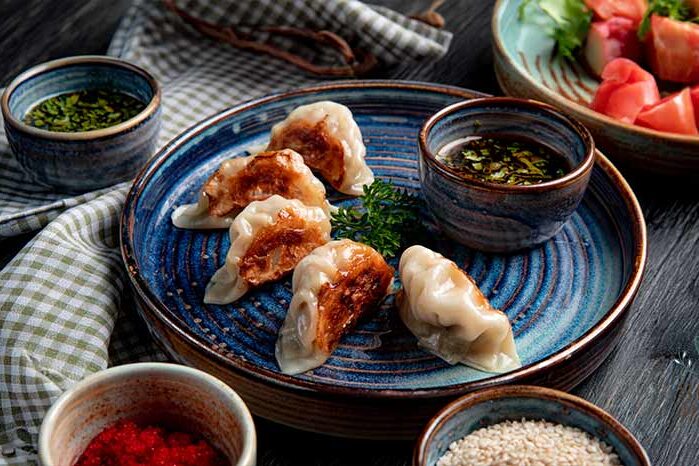
Gyoza came to Japan from Chinese jiaozi after WWII. Japanese soldiers loved the dumplings abroad and brought the recipe home, creating the lighter, crisp‑bottom version known today.
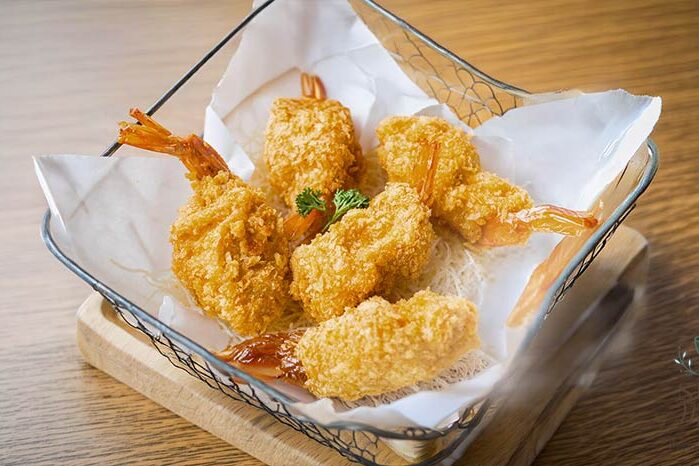
Coconut shrimp bites bring a sunny, tropical flair to the table, inspired by coastal cooking traditions where fresh seafood meets island ingredients. Their origins trace back to Caribbean and Polynesian cuisines, where coconut was used to add sweetness and crunch to fried dishes.