
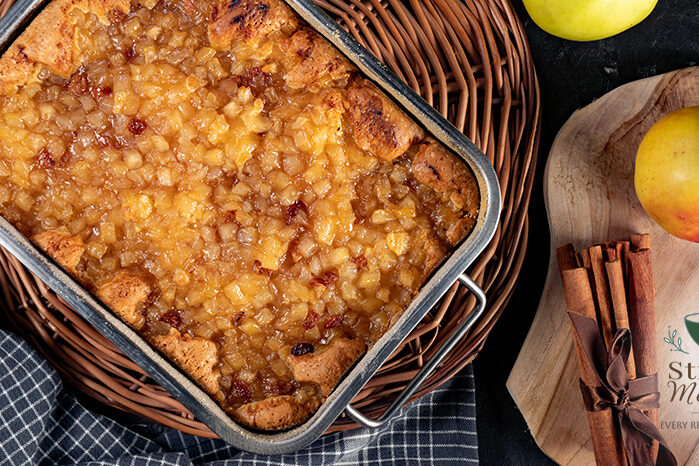
Aunt Rosies Apple Brown Betty
This was an excellent way to use inexpensive apples and stale bread instead of letting either go to waste.


This was an excellent way to use inexpensive apples and stale bread instead of letting either go to waste.
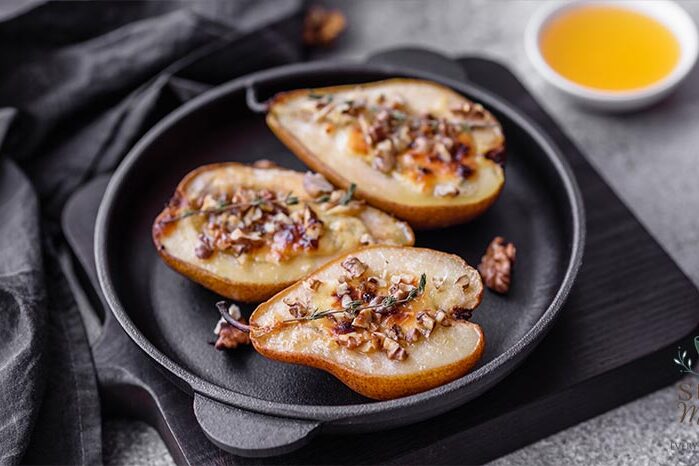
This dessert traces its roots to the Alpine regions of Switzerland and northern Italy, where pears were treasured winter fruit. Farmers stored them in cool cellars, roasting them with honey when the snow piled high and fresh produce was scarce. The warmth of baked pears became a symbol of comfort during long, cold nights.
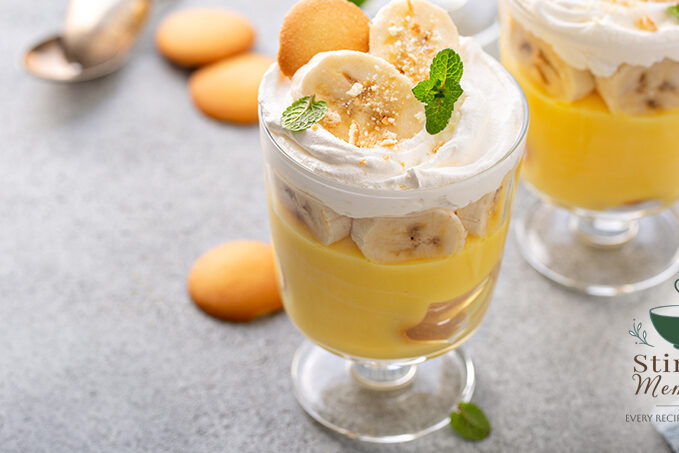
Banana pudding is that timeless Southern comfort dessert that layers creamy vanilla custard, soft bananas, and pillowy wafers into a dish that feels both nostalgic and irresistible.
New York cheesecake rose to fame in the 1920s. The lemon curd swirl adds brightness inspired by classic East Coast diners.
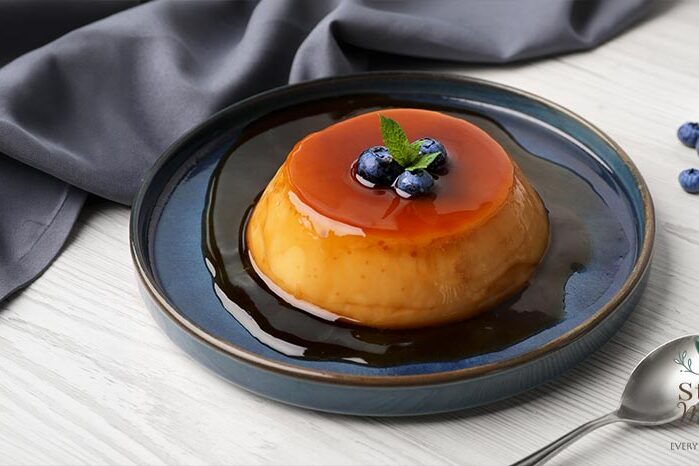
Flan arrived in Cuba via Spanish colonists. Coconut milk adds tropical flair inspired by Caribbean flavors.
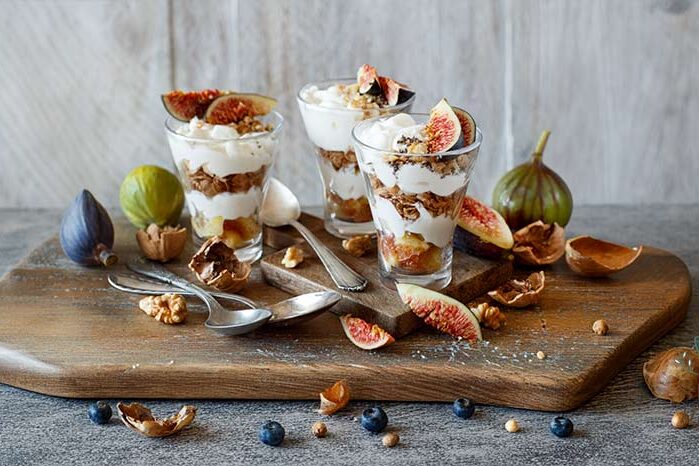
Greek yogurt has been a staple for centuries, valued for its thickness and tang. Honey and walnuts were common additions in ancient Greece, where they were believed to promote strength and vitality. This combination was often served to athletes and travelers.
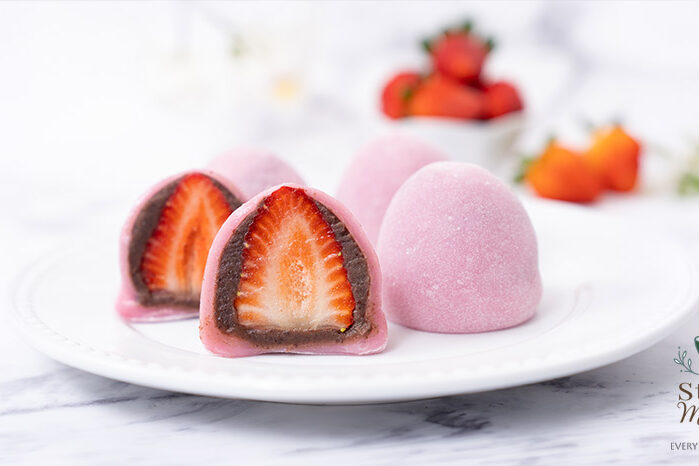
Mochi has been part of Japanese celebrations for centuries. Strawberry mochi became popular in the 1980s, blending tradition with modern sweetness.
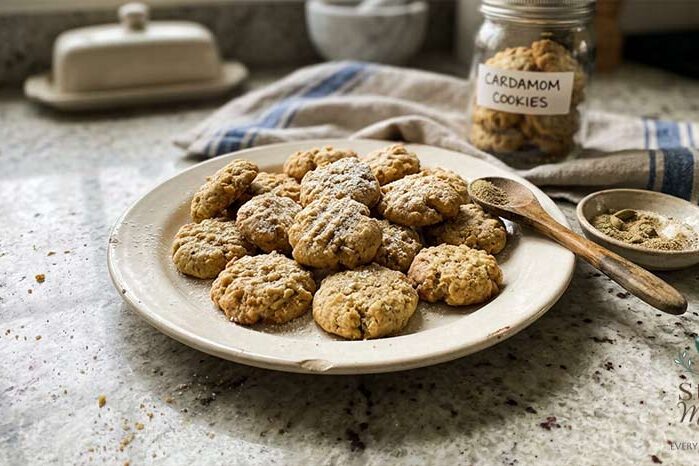
Cardamom cookies are a Scandinavian staple, especially in Sweden and Finland. Cardamom arrived in the region through ancient spice routes, becoming surprisingly beloved despite the cold climate and limited agriculture. Nordic bakers embraced it for its warmth and fragrance, using it in breads, pastries, and holiday treats.
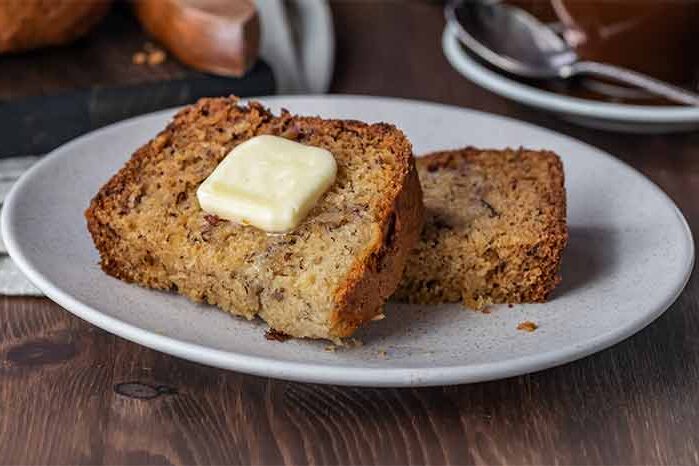
Banana bread surged in popularity during the 1930s when baking soda became widely available and households sought ways to use overripe bananas. It remains a beloved homemade staple.
Peach cobbler was identified by Google Trends as the most popular dessert search in Southern states over the past year.
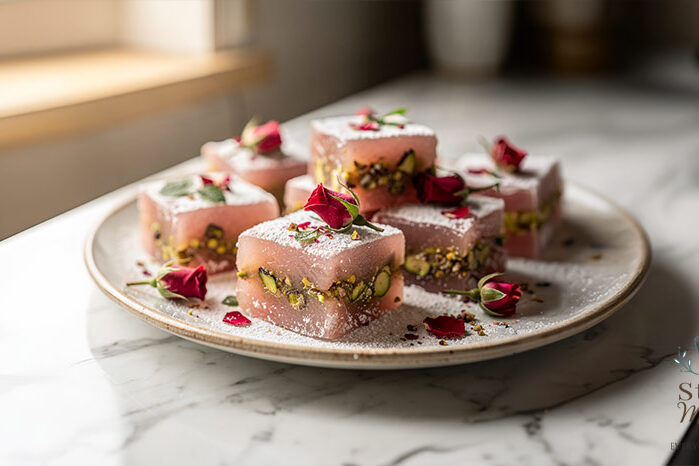
Turkish delight, or lokum, dates back to the Ottoman Empire, where confectioners crafted luxurious sweets for sultans and royal courts. Rose water was prized for its fragrance, symbolizing beauty and refinement. Pistachios added richness, making the dessert a favorite during celebrations and feasts.
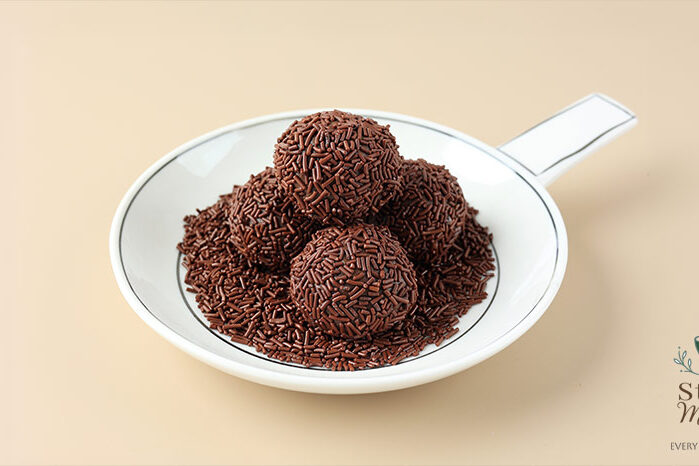
Brigadeiros were invented in Brazil in the 1940s and named after a beloved brigadier who ran for president. Women made the sweets to raise funds for his campaign, and they quickly became a national treasure. Today, no Brazilian celebration is complete without them.
Some recipes have a way of finding their way back into your kitchen. Maybe it’s an old recipe card tucked inside a drawer, a familiar smell coming from the oven, or the first bite of a cookie that suddenly takes you back to a kitchen from years ago.
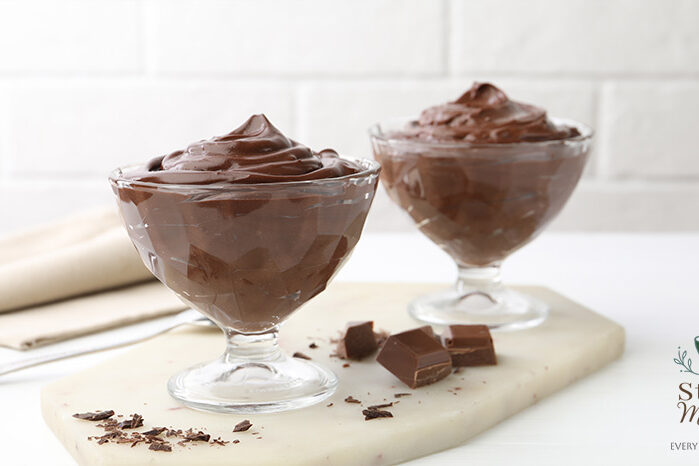
Chocolate mousse emerged in 18th‑century France but became iconic in Switzerland due to its chocolate heritage. Espresso deepens the richness.
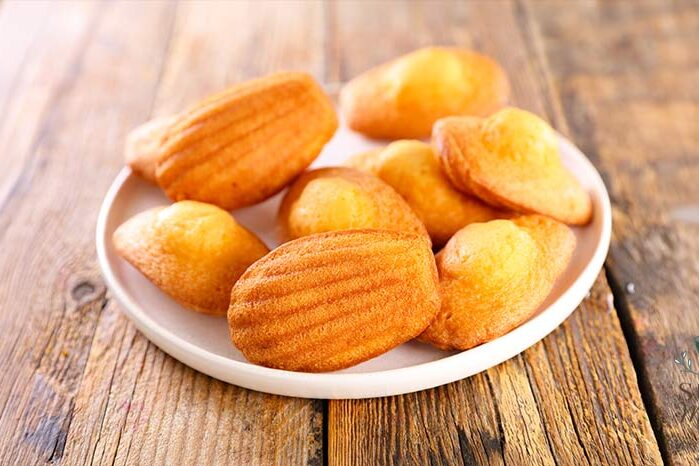
Madeleines originated in Lorraine, France. Their seashell shape became iconic after Marcel Proust wrote about them. Honey adds rustic charm.
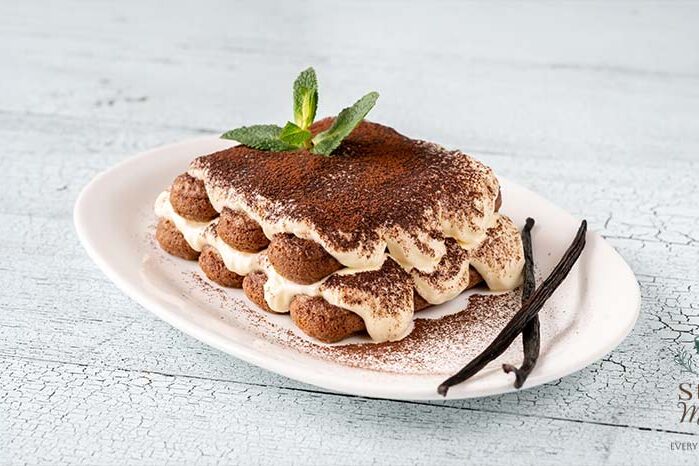
Tiramisu was born in Treviso, Italy, in the 1960s. Legend says a chef created it as an “energy dessert” for tired patrons. The orange zest twist adds a citrus brightness inspired by Venetian winter markets.
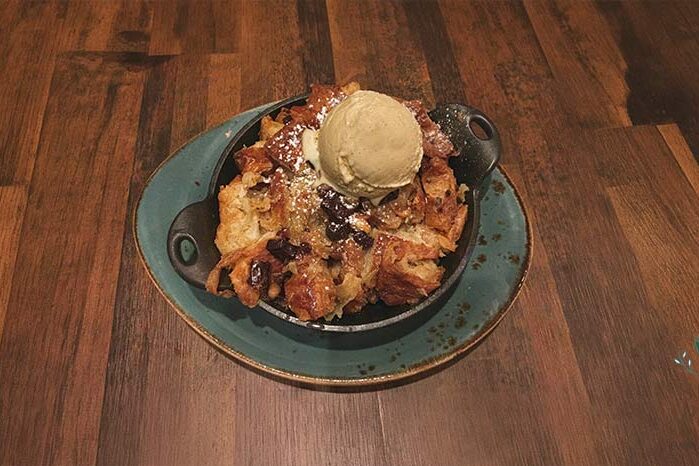
Bread pudding emerged in medieval Europe as a way to use stale bread, but Ireland embraced it wholeheartedly. Irish cooks added brown sugar, raisins, and warm spices, turning a humble dish into a comforting classic served during cold evenings.
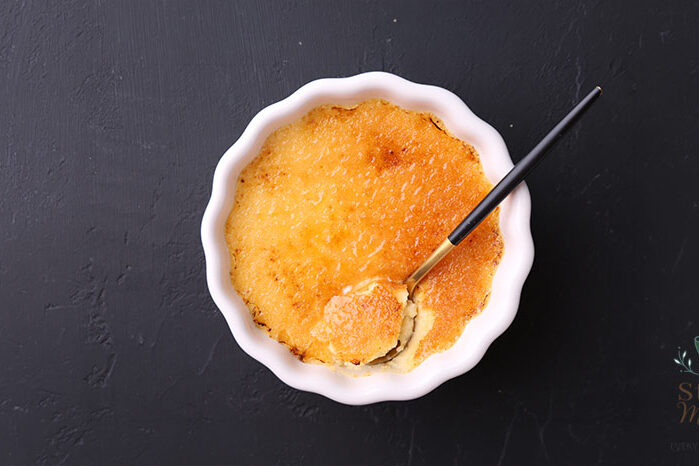
Crème brulee dates back to 17th‑century France. Lavender adds a floral twist inspired by Provence’s iconic purple fields.
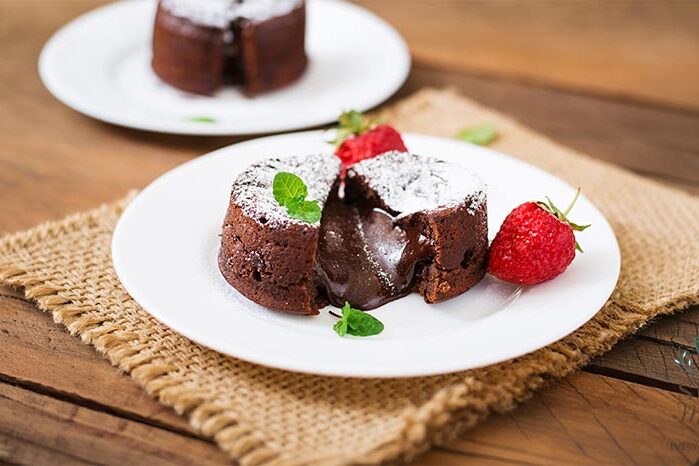
Invented in New York in the 1980s, lava cakes became a global sensation for their dramatic molten centers. Chili adds a playful nod to ancient Aztec chocolate traditions.
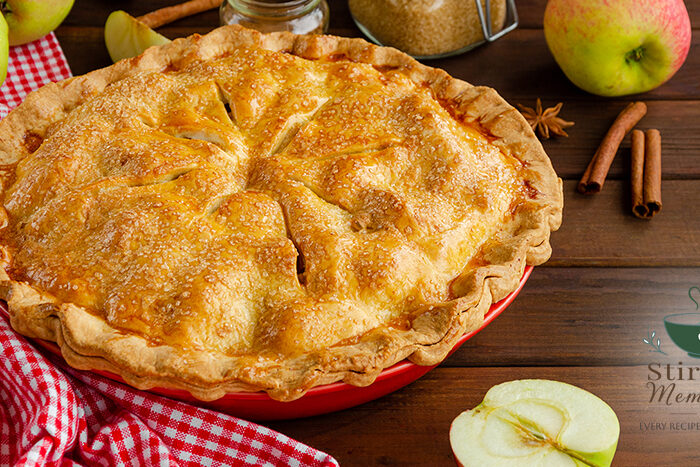
Apple pie is a beloved classic that captures the essence of warm, home‑baked comfort, built from tender spiced apples tucked beneath a golden, flaky crust.
Auntie Linda’s Pineapple Dessert wasn’t just a treat—it was an event. Every Sunday, right when the sun dipped low enough to paint the kitchen gold, she’d appear with her glass dish wrapped in a floral towel like it was a newborn. The moment she lifted the cover, the whole room filled with the warm, tropical perfume of caramelized pineapple.
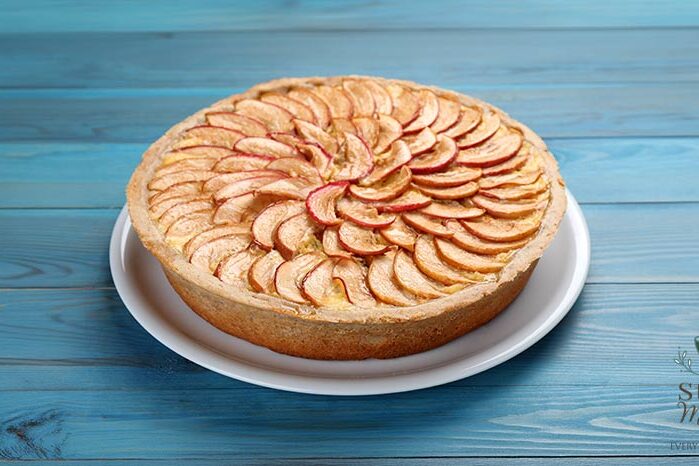
Apple pie became a symbol of American identity in the 1800s. Maple syrup adds a nod to early colonial sweeteners.
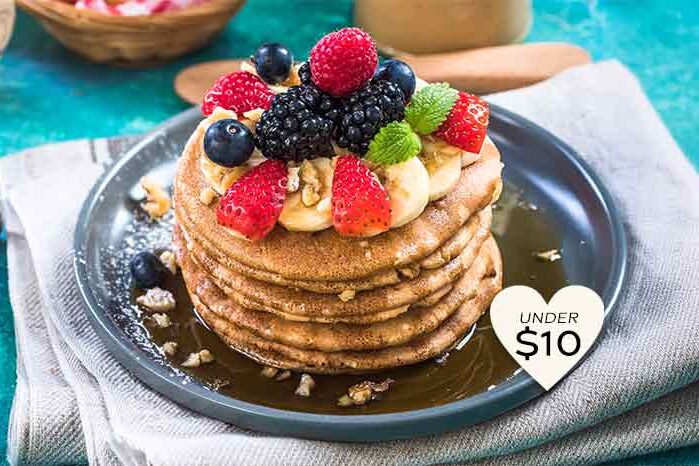
On Thursdays, when the week felt heavy and the house a little too quiet, Aunt Marlene had a tradition: breakfast for dinner. It wasn’t fancy, but it always felt like a small rebellion against the grown‑up world—like choosing joy on purpose.